

Table of Contents
- All-Terrain Tires for Winter: What You Need to Know
- All-Terrain vs Winter Tires for Snow
- Key Performance Features for Winter Driving
- How to Read Tire Size and Speed Rating
- Winter Performance Considerations
- Maintenance and Rotation Schedule
- Frequently Asked Questions
Last Updated: September 30, 2026
All-Terrain Tires for Winter: What You Need to Know
When winter arrives, your choice of all-terrain tires winter becomes critical to safety. All-terrain tires designed for winter conditions offer a practical middle ground between aggressive off-road performance and daily driving comfort. At 208 Tire & Auto Shop, we help customers in the Treasure Valley navigate snowy roads with confidence by selecting the right all-terrain winter tires for their needs.
The question isn’t whether you need winter-capable tires, it’s which all-terrain tires for winter driving will deliver the traction, durability, and reliability your vehicle demands. Winter driving creates unique challenges: ice, deep snow, slush, and rapidly changing road conditions all test your tires’ limits. This guide breaks down what separates a quality winter all-terrain tire from one that falls short, and shows you how to evaluate options for your specific situation.
All-Terrain vs Winter Tires for Snow
The fundamental difference between all-terrain and winter tires comes down to design philosophy and rubber compound. All-terrain tires prioritize versatility across multiple surfaces, pavement, gravel, mud, and snow. Winter tires, by contrast, are engineered specifically for sub-zero performance with softer rubber compounds and aggressive tread patterns.
Here’s where it gets practical: all-terrain tires excel when you need flexibility. A truck owner who drives paved highways most days but occasionally tackles mountain passes or forest roads benefits from all-terrain construction. Winter-specific tires shine when snow and ice are your primary concern. The rubber in winter tires remains pliable in extreme cold, while all-terrain compounds can stiffen, reducing grip.
For most drivers in variable winter conditions, all-terrain tires for winter driving offer a reasonable compromise. You won’t get the pure ice-gripping performance of a dedicated winter tire, but you’ll gain the off-road capability and year-round usability that all-terrain tires provide. The key is selecting an all-terrain option engineered with winter performance in mind, not a summer all-terrain tire pressed into winter service.
| Tire Type | Best For | Cold Weather Performance | Off-Road Capability |
|---|---|---|---|
| Winter-specific | Extreme snow/ice focus | Excellent | Limited |
| All-terrain winter | Mixed conditions, versatility | Very good | Excellent |
| Summer all-terrain | Warm climates, trails | Poor | Excellent |
Key Performance Features for Winter Driving
Winter performance in all-terrain tires depends on several technical factors working together. Understanding these features helps you make an informed choice rather than relying on marketing claims alone.
Tread Compound and Siping
The rubber compound is where winter tires separate themselves from summer alternatives. Winter compounds use softer rubber that maintains flexibility even as temperatures drop below freezing. This elasticity is crucial, when rubber hardens in cold, it loses grip. A compound that stays pliable grips ice and snow far better than one that becomes rigid.
Siping refers to the thousands of tiny cuts in the tread blocks. These microscopic grooves create additional edges that bite into snow and ice. Think of siping like adding millions of tiny knife edges to your tread. The more siping, the more edges available to grip. However, too much siping can reduce tread stiffness and increase rolling resistance, which affects fuel economy and handling on dry pavement.
Quality all-terrain tires for winter include siping strategically placed where it matters most, in the center tread that contacts the road during braking and acceleration. The best designs balance siping density with structural integrity.
When comparing all-terrain winter tires, examine the siping pattern closely. Look for dense, multi-directional siping in the center tread blocks. This design provides winter grip without sacrificing summer handling or tread life.
Three-Peak Mountain Snowflake Symbol Meaning
The Three-Peak Mountain Snowflake (3PMSF) symbol on a tire’s sidewall indicates that the tire meets severe winter performance standards. This certification matters more than many drivers realize. A tire bearing this symbol has passed rigorous testing for snow traction, braking distance, and acceleration performance in deep snow conditions.
The 3PMSF symbol is your assurance that a tire has been independently tested and verified to perform in severe winter weather. Not all winter-capable tires carry this designation, some manufacturers choose not to pursue the testing. When you see the 3PMSF symbol, you know the manufacturer invested in proving winter performance to a recognized standard.
This certification becomes particularly important for all-terrain tires, since the category spans such many winter capability. An all-terrain tire with 3PMSF certification delivers documented winter performance. Without it, you’re relying on the manufacturer’s claims alone.
Sidewall Durability and Load Index
Winter driving often means heavier loads. Snow chains, extra gear, passengers bundled in winter clothing, all add weight. The sidewall of your tire must support this load without flexing excessively. Sidewall durability matters because weak sidewalls flex under load, generating heat and accelerating tire wear.
The load index is a number on your tire’s sidewall indicating the maximum weight each tire can safely carry. For all-terrain tires used in winter, matching the load index to your vehicle’s actual weight distribution is essential. Undersized load ratings create sidewall stress and premature failure. Oversized ratings add unnecessary cost without benefit.
Durable sidewalls in all-terrain tires winter resist punctures and cuts from rocks, ice, and road debris common in winter conditions. Quality all-terrain tires for winter feature reinforced sidewall construction that handles the punishment winter roads deliver.
How to Read Tire Size and Speed Rating
Your tire’s sidewall contains a standardized code that tells you everything about its dimensions and capabilities. Understanding this code prevents costly mistakes when purchasing replacement tires.
A typical tire size reads like this: P225/65R17 101H. Here’s what each element means:
- P indicates the tire type (P = passenger vehicle)
- 225 is the tire width in millimeters
- 65 is the aspect ratio (sidewall height as a percentage of width)
- R means radial construction (the standard for modern tires)
- 17 is the wheel diameter in inches
- 101 is the load index (maximum weight capacity per tire)
- H is the speed rating (maximum sustained speed)
The speed rating matters for winter driving. An H-rated tire can handle 130 mph sustained speeds. A T-rated tire maxes out at 118 mph. Winter conditions rarely demand high speeds, so speed ratings below H are common on winter all-terrain tires. Lower speed ratings sometimes offer better winter grip because manufacturers can prioritize cold-weather compound development over high-speed stability.
Matching your vehicle’s original tire size exactly is critical. Deviating from the manufacturer’s specifications affects speedometer accuracy, fuel economy, and handling characteristics. When selecting all-terrain tires for winter, verify your vehicle’s tire size on the driver’s door jamb sticker, not the sidewall of your current tires, which may be non-original.
Using a tire size different from your vehicle’s specification can cause speedometer error of 5-10%, affecting your ability to judge actual speed in winter conditions. This compounds safety risks in snow and ice. Always match the original size unless your vehicle’s manual explicitly approves alternatives.
Winter Performance Considerations
Winter performance extends beyond the tire itself. How you prepare, maintain, and use your tires dramatically affects safety and longevity.
Braking Distance and Ice Grip
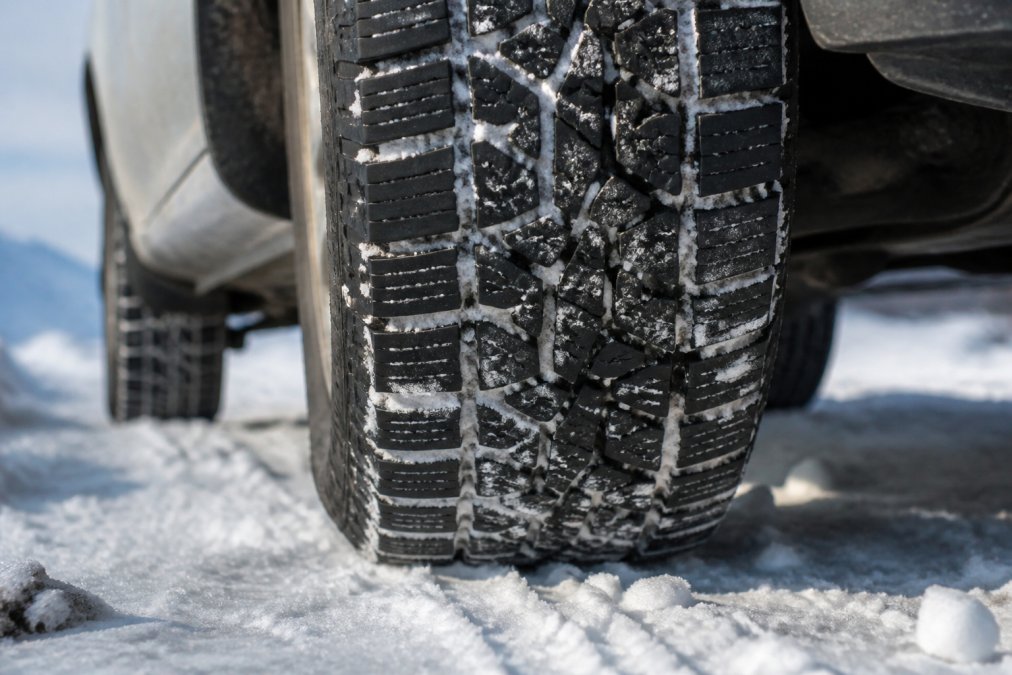
Braking distance on ice separates adequate winter tires from excellent ones. A quality all-terrain tire designed for winter can reduce braking distance on ice by 15-25 feet compared to a summer all-terrain option, the difference between stopping safely and sliding into danger.
Ice grip depends on the compound staying pliable and the tread pattern providing adequate contact edges. The rubber must maintain elasticity at temperatures that make summer compounds rock-hard. Siping provides the microscopic edges that grip ice crystals. Together, these elements determine whether your tires grip or slide when you need to stop.
Testing braking distance on ice requires professional equipment and controlled conditions. You cannot safely test this yourself on public roads. Instead, trust the 3PMSF certification and manufacturer specifications. Tires bearing this symbol have proven braking performance on ice under standardized conditions.
Lateral stability, how well your tires grip during cornering on snow, depends on sidewall stiffness and tread block design.
Tire Pressure Management for Winter Conditions
Tire pressure changes with temperature. For every 10-degree Fahrenheit drop, tire pressure decreases roughly 1 pound per square inch (PSI). This matters in winter because your tires lose pressure as temperatures fall, potentially dropping below safe operating levels.
Check tire pressure every week during winter. A 10-degree temperature drop costs you roughly 1 PSI. Maintaining proper pressure is one of the simplest, most effective ways to improve winter safety.
Maintenance and Rotation Schedule
Winter driving accelerates tire wear and damage. Proper maintenance extends tire life and maintains safety throughout the season.
Frequently Asked Questions
Are all-terrain tires good for ice and snow?
All-terrain tires offer reasonable winter traction, especially in deep snow, but they don’t match the performance of dedicated winter tires on ice. Winter tires use softer rubber compounds that remain flexible in cold temperatures, while all-terrain tires are designed for versatility across conditions. If you drive frequently on icy roads, winter tires provide superior braking distance and lateral stability. All-terrain tires work best for mixed winter conditions where snow depth varies and you need off-road capability.
What does the 3-peak mountain snowflake symbol mean on a tire?
The three-peak mountain snowflake (3PMSF) symbol indicates a tire meets severe winter performance standards set by the Rubber Manufacturers Association. Tires with this certification have passed rigorous snow traction and braking tests. The symbol appears on the sidewall and guarantees the tire performs in demanding winter conditions. Many mountain pass regulations require 3PMSF-rated tires during winter months, making it an important marking if you drive in mountainous terrain or regions with winter driving mandates.
How do I check if my all-terrain tires are rated for severe snow?
Look for the three-peak mountain snowflake symbol on the tire’s sidewall. You can also check the tire’s specifications by finding the model number and reviewing the manufacturer’s technical data sheet. The speed rating and load index appear on the sidewall as well. Contact 208 Tire & Auto Shop to verify your tire’s winter ratings and ensure they meet local mountain driving requirements. Our ASE-certified technicians can confirm whether your current tires are suitable for winter conditions in your area.
What tire pressure should I use in winter?
Cold temperatures reduce tire pressure by about 1 PSI for every 10-degree Fahrenheit drop. Check your vehicle’s recommended tire pressure (found on the driver’s door jamb or owner’s manual) and inflate to that specification when tires are cold, before driving. Under-inflated tires reduce winter traction and increase rolling resistance, while over-inflation reduces the contact patch on snow. Monitor pressure weekly during winter and adjust as temperatures fluctuate. Proper tire pressure management directly affects braking distance and stability on ice and snow.

