

Table of Contents
- What Is the Average Cost of Brake Pad Replacement?
- Factors That Affect Brake Pad Replacement Costs
- How Long Do Brake Pads Last?
- Signs You Need New Brake Pads
- Front vs. Rear Brake Replacement Costs
- Cost of Brake Pad and Rotor Replacement
- Signs of Low Brake Fluid in Your Car
- Hidden Costs and Quality Considerations
- Frequently Asked Questions
Last Updated: October 2, 2026
What Is the Average Cost of Brake Pad Replacement?
The average cost of brake pad replacement typically ranges based on your vehicle’s make, model, and the type of brake pads you choose. When you factor in labor rates and parts, vehicle owners can expect to invest in this essential maintenance. At 208 Tire & Auto Shop, we’ve helped countless families and business owners in the Treasure Valley understand exactly what goes into a brake pad replacement, so they can make informed decisions about their vehicle’s safety.
Brake pad replacement is one of the most common automotive repairs, and understanding the cost breakdown helps you avoid surprise charges at the service center. The price you’ll pay depends on several interconnected factors: whether you’re replacing front or rear brake pads, the friction material type you select, your vehicle’s specifications, and the labor rates in your area.
The key takeaway: brake pad replacement costs are predictable when you understand what influences them. This guide walks you through each factor so you can evaluate quotes from any mechanic with confidence.
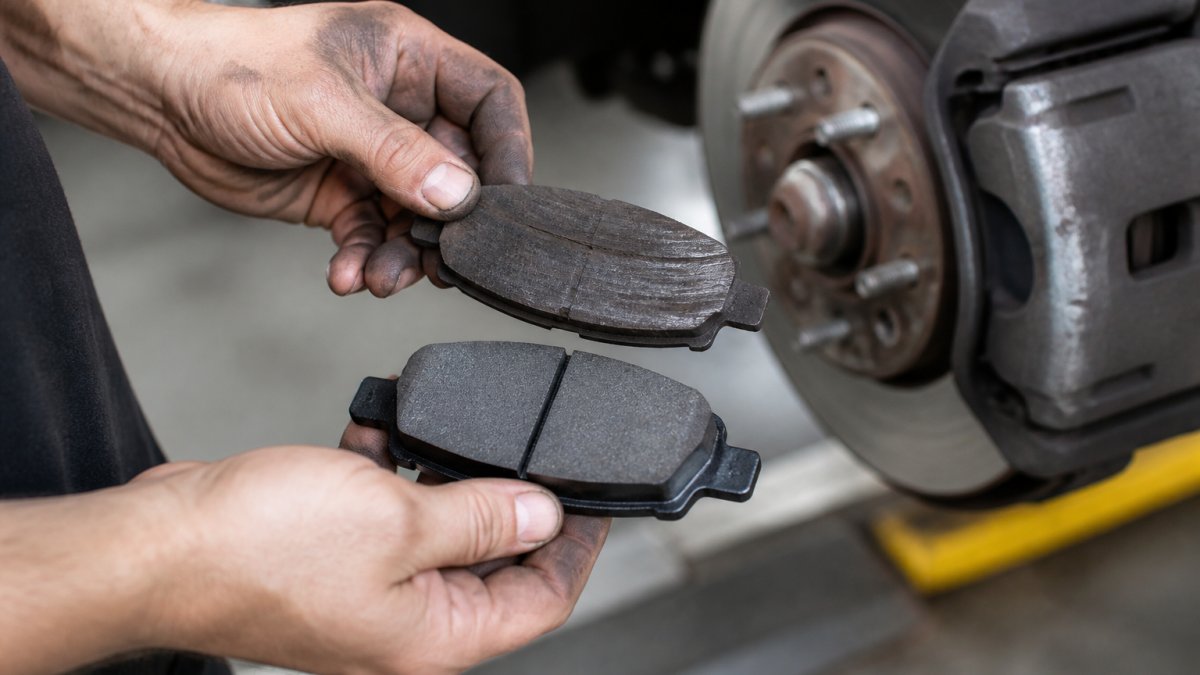
Factors That Affect Brake Pad Replacement Costs
Several variables determine what you’ll actually pay when you bring your vehicle in for brake service. The most significant cost drivers are vehicle make and model, brake pad material type, and where you have the work done. Understanding these factors helps you anticipate costs and recognize fair pricing when you see it.
Vehicle Make and Model
Your vehicle’s specifications heavily influence brake pad replacement cost. Luxury vehicles and performance cars use specialized brake components engineered for higher stopping power and heat dissipation. A brake job on a BMW or Mercedes-Benz involves different hardware and pad specifications than a standard Honda or Toyota.
Truck owners often face higher costs because trucks typically weigh more and require more strong brake systems. The larger brake rotors and heavier-duty calipers mean more expensive replacement parts. Additionally, lifted trucks or commercial fleet vehicles may require specialized brake pads designed for specific driving conditions, off-road terrain or frequent towing both increase the friction material demands on your braking system.
Brake Pad Material Types
Brake pads come in three primary friction material categories, each with different performance characteristics and price points. Understanding these materials helps you make the right choice for your driving style and budget.
Organic brake pads are the most affordable option. They’re made from a composite material similar to asbestos-free compounds and offer good stopping power for everyday driving. They generate less heat and are quieter than other types, but they wear faster and produce more brake dust. Most standard vehicles come equipped with organic pads from the factory.
Semi-metallic brake pads contain copper and iron particles mixed with resin. They handle heat better than organic pads, making them ideal for heavier vehicles or drivers who do frequent braking. They last longer but tend to be noisier, especially when cold. Many truck owners and commercial fleet operators prefer semi-metallic pads for their durability under demanding conditions.
Ceramic brake pads are the premium option. They offer excellent heat dissipation, minimal brake dust, and quieter operation. Ceramic pads last significantly longer than organic or semi-metallic options, which can offset their higher initial cost over time. Luxury vehicles and performance cars often use ceramic pads as original equipment.
Labor Rates and Service Center Location
Where you have your brakes serviced matters. Independent repair shops and labor rates vary by region. Urban service centers generally charge more than rural locations due to higher overhead costs. A technician’s experience level also affects labor rates, an ASE-certified technician with years of experience may charge more than a less-experienced technician, but you’re paying for expertise that ensures the job is done right.
At 208 Tire & Auto Shop, our ASE-certified technicians provide competitive labor rates without sacrificing quality. We’ve built our reputation on honest pricing and transparent estimates, so you know exactly what you’re paying for before work begins.
How Long Do Brake Pads Last?
Brake pad lifespan depends on your driving habits, vehicle weight, and the friction material type. Most brake pads last between 25,000 and 70,000 miles, though some ceramic pads can exceed 100,000 miles under ideal conditions. Aggressive drivers who brake hard frequently will wear pads faster than drivers with smooth, gradual braking patterns.
Your vehicle’s maintenance schedule provides manufacturer recommendations for brake inspection intervals. Many vehicles require brake inspections every 12 months or 12,000 miles, whichever comes first. Regular inspections catch wear early, preventing damage to the brake rotors and calipers that would increase your total repair cost significantly.
Driving conditions matter too. Stop-and-go city driving wears pads faster than highway driving. Drivers who frequently tow or carry heavy loads put more stress on the brake system. Mountainous terrain with frequent downhill braking accelerates pad wear. Understanding your driving patterns helps you anticipate when replacement will be necessary.
Signs You Need New Brake Pads
Recognizing worn brake pads early prevents more expensive repairs. Several warning signs indicate it’s time to visit a service center for a brake inspection and likely replacement.
Squealing or squeaking noises are often the first indicator. Most brake pads include a wear indicator, a small metal tab that contacts the rotor when pads thin out, creating a high-pitched squeal. This sound is intentional, designed to alert drivers before the pads wear completely through.
Grinding noises are more serious. Grinding means the friction material has worn away completely, and metal-to-metal contact is occurring between the pad backing and the rotor. This causes damage to the rotors, turning a simple brake pad replacement into a more expensive brake pad and rotor replacement job.
Reduced stopping power or a soft brake pedal indicates worn pads or low brake fluid. If your vehicle requires more pressure on the pedal than usual to stop, or if the pedal feels spongy, have your brakes inspected immediately. Compromised braking is a safety hazard.
Brake warning light on your dashboard signals a problem. Modern vehicles have brake sensors that detect low brake fluid or worn pads. Don’t ignore this warning, bring your vehicle in for inspection promptly.
Vibration or pulsing in the brake pedal suggests rotor damage, often caused by driving on severely worn brake pads. This requires rotor replacement in addition to new pads.
Front vs. Rear Brake Replacement Costs
Front and rear brake jobs differ in cost and complexity. Most vehicles do approximately 70% of their braking work with the front brakes, so front brake pads wear faster and require replacement more frequently.
Rear brake pads last longer. Some vehicles have rear drum brakes instead of disc brakes, which involve different hardware and labor procedures. All-wheel-drive vehicles and those with electronic brake distribution systems may have different brake wear patterns between front and rear, so one axle might need service while the other doesn’t.
When you bring your vehicle in for brake service, a thorough inspection should evaluate both front and rear brake condition. This prevents a situation where you replace front pads only to discover rear pads are also worn and need immediate replacement.
Cost of Brake Pad and Rotor Replacement
When brake pads wear completely, they often damage the rotors, the discs that the pads clamp against to create stopping friction.
Rotors can sometimes be resurfaced instead of replaced if the damage is minor. Rotor resurfacing removes a thin layer of material to restore a smooth surface. However, modern rotors are often too thin to resurface safely, making replacement the only option.
The decision between resurfacing and replacement depends on rotor thickness, the extent of damage, and your vehicle’s specifications. Your technician can measure rotor thickness and advise whether resurfacing is viable or if replacement is necessary. Replacing both pads and rotors ensures optimal braking performance and prevents premature wear on new pads.
| Component | Typical Scope | Complexity |
|---|---|---|
| Brake pads only | Front or rear axle | Low |
| Pads + hardware kit | Both pads and springs/clips | Medium |
| Pads + rotors | Complete brake system refresh | Medium-High |
| Pads + rotors + calipers | Major brake system overhaul | High |
Signs of Low Brake Fluid in Your Car
Brake fluid is the hydraulic medium that transmits your foot’s pressure on the brake pedal to the brake calipers, creating the friction that stops your vehicle. Low brake fluid indicates a leak somewhere in the brake system or worn brake pads that have consumed fluid as they compress the calipers.
A soft or spongy brake pedal that requires more pressure than usual is the primary sign of low brake fluid.
Hidden Costs and Quality Considerations
Beyond the obvious brake pad and labor costs, several hidden expenses can surprise you if you’re not aware of them. Understanding these helps you evaluate quotes fairly and avoid unnecessary work while ensuring your brakes remain safe.
Frequently Asked Questions
What is the average cost of brake pad replacement?
Brake pad replacement costs vary based on vehicle type, pad material, and labor rates. Parts and labor depend on your service center’s rates and location. For an accurate estimate, contact a trusted local mechanic or service center for a quote on your specific vehicle. ASE-certified technicians can provide honest assessments without pressure to replace unnecessary components.
Should you replace all four brake pads at once?
Most mechanics recommend replacing brake pads in axle sets, front or rear together. This ensures even braking performance and prevents uneven wear on your brake system. However, if only one axle shows significant wear, you may replace just that set. Your technician can inspect all four pads during a safety inspection and recommend the most cost-effective approach for your vehicle’s condition.
Do I need to replace my rotors when I replace my brake pads?
Not always. Rotors last longer than pads and may not need replacement if they’re still within thickness specifications. However, if rotors show scoring, glazing, or excessive wear, replacement becomes necessary for safety and stopping distance. A qualified technician can measure rotor thickness and recommend whether resurfacing or replacement is needed, helping you avoid unnecessary costs while maintaining brake safety.
How long does a brake job usually take?
A standard brake pad replacement typically takes 1-2 hours per axle, depending on your vehicle’s design and whether rotors need attention. If rotors require resurfacing or replacement, add 30 minutes to an hour. Busy service centers may have longer wait times, so ask about turnaround when scheduling. ASE-certified shops often provide time estimates upfront so you know when your vehicle will be ready.

