

Table of Contents
- What Makes a Performance Tire Stand Out
- Best Performance Summer Tires
- Best All-Season Performance Tires
- Understanding Performance Tire Speed Rating
- How to Choose Performance Tires for Your Driving
- Performance Tires vs. Ultra-High-Performance and Track Options
- Durability, Ownership Cost, and Real-World Value
- Frequently Asked Questions
Last Updated: October 11, 2026
What Makes a Performance Tire Stand Out
A performance tire is engineered to deliver superior handling, grip, and responsiveness compared to standard all-season options, prioritizing cornering stability, braking distance, and steering response for drivers who demand more on street and track.
Performance tires excel in dry grip, wet traction, and heat management through softer tread compounds, stiffer sidewalls, and optimized tread patterns that keep your vehicle planted during aggressive driving.
Choosing the right performance tire depends on your climate, driving style, and vehicle type. A tire optimized for dry summer driving performs differently than one designed for year-round use.
Dry Grip and Handling
Dry grip determines cornering force before traction loss. Performance tires use softer rubber compounds that maximize road contact, delivering steering response and cornering stability on twisting roads.
Tread patterns evacuate water quickly and maintain large contact patches during hard cornering. Stiffer sidewalls resist flex during aggressive maneuvers, improving turn-in precision and consistent handling.
On a handling course, a performance tire completes a slalom faster than an all-season option, with sharper steering feel and less body roll through curves.
Wet Braking and Traction
Wet-road performance separates premium tires from budget options. The tread compound must remain pliable in cold, wet conditions while maintaining grip on warm, dry pavement, a fundamental design trade-off.
Wet braking distance depends on sipe design and tread pattern geometry. More sipes improve water evacuation and edge grip but reduce tread life, a balance manufacturers strike based on target market.
Hydroplaning resistance is equally important. A tire that channels water away from the contact patch maintains traction at highway speeds on wet roads. Poor wet performance is a safety issue, not just a comfort concern.
Heat Management and High-Speed Stability
Performance driving generates significant heat; excessive heat degrades the rubber compound and reduces grip. Premium performance tires use heat-resistant compounds and construction to maintain stability at sustained high speeds.
Reinforced sidewalls handle lateral forces of high-speed cornering while managing internal temperatures, maintaining performance characteristics longer than casual-driving tires.
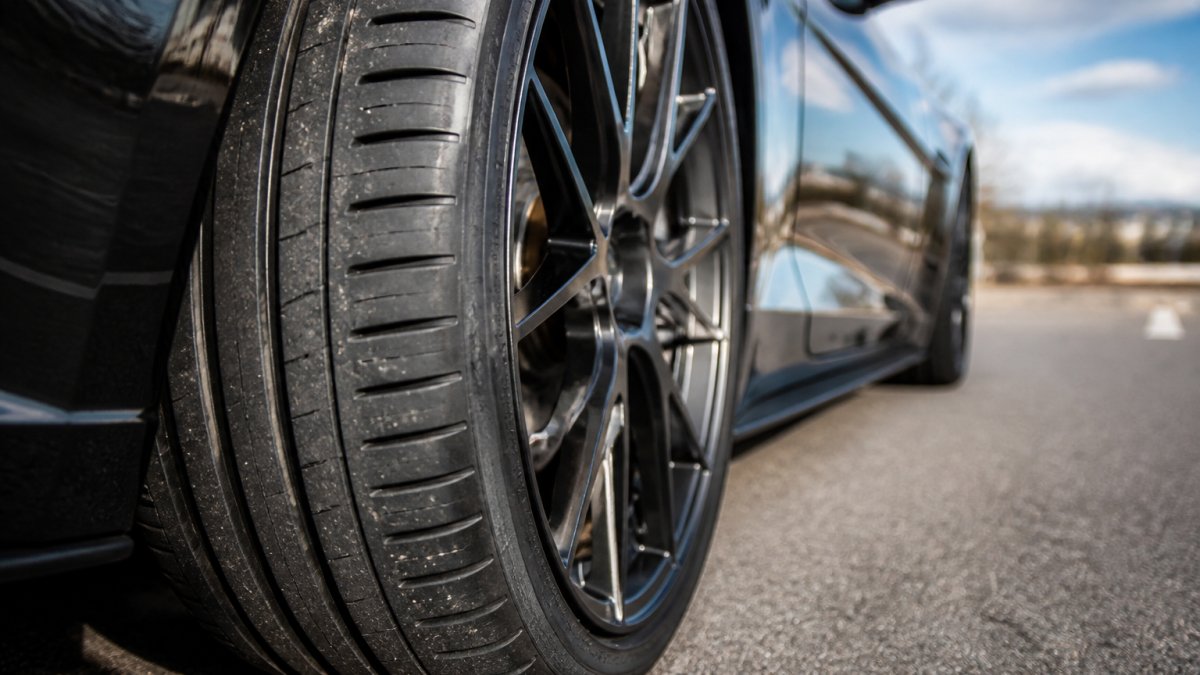
Best Performance Summer Tires
Summer performance tires optimize warm-weather driving with maximum grip on dry and wet roads, sacrificing winter traction, a worthwhile trade-off in warm climates with minimal winter driving.
What Summer Tires Deliver
Summer performance tires use softer compounds that remain pliable in heat but harden in cold, making them unsuitable for winter but ideal for warm climates prioritizing dry grip and wet braking.
Summer tire tread patterns emphasize large contact patches and straight grooves for water evacuation. Sipe density varies: aggressive siping improves wet grip; minimal siping extends tread life.
Summer tires deliver the shortest braking distances and best cornering grip of any category, offering the best value and performance balance for summer-focused drivers.
Top Contenders and Trade-Offs
The summer performance tire market includes options at multiple price points. Premium tires offer measurable advantages in wet braking and handling, but mid-tier options often provide strong performance at lower cost.
Common trade-offs include tread life versus grip, noise versus handling, and price versus performance. Track-optimized tires may sacrifice street comfort; daily-driving tires may feel loose during aggressive cornering.
Best All-Season Performance Tires
All-season performance tires balance summer grip with winter traction, working well for drivers in moderate climates where winter snow and ice are occasional.
When All-Season Makes Sense
All-season performance tires make sense for seasonal temperature swings without extended winter driving. They provide better grip and handling than standard all-season tires while maintaining acceptable winter traction.
All-season performance tires won’t match dedicated summer or winter tires but offer a practical middle ground for year-round single-set use.
Climate matters enormously. Dedicated winter tires outperform all-season options significantly in climates with regular freezing and snow. All-season performance tires work best where winter weather is brief and mild.
Performance Leaders in the All-Season Category
All-season performance tires from established manufacturers deliver measurable improvements in cornering grip and braking distance, using performance-oriented tread patterns while maintaining winter traction standards.
The best all-season performance tires balance wet braking, dry grip, winter traction, and tread life. Manufacturers prioritize based on target market: some favor grip over tread life; others emphasize winter performance.
Understanding Performance Tire Speed Rating
Speed rating indicates the maximum speed a tire can sustain under load. A tire rated for 130 mph is engineered to handle sustained high-speed driving without degrading. This rating is essential for performance driving but less relevant for daily commuting.
Performance tires typically carry H, V, W, or Y speed ratings. An H rating (130 mph) suits most daily drivers and weekend enthusiasts.
Speed rating doesn’t indicate how well a tire performs at high speed, only that it won’t fail at that speed under test conditions. A V-rated tire might feel loose at 100 mph if the overall tire design isn’t optimized for handling.
Load Rating and Sidewall Stiffness
Load rating indicates how much weight a tire can carry. This matters for heavier vehicles and trucks but is less critical for sports cars and sedans.
Sidewall stiffness affects both handling and ride comfort. Stiffer sidewalls improve steering response and cornering stability but transmit more road harshness to the cabin. Softer sidewalls provide a smoother ride but reduce precision during aggressive driving.
Performance tire sidewalls are typically stiffer than all-season options, which is why performance tires often feel firmer on the road. This is intentional, the trade-off between comfort and handling precision is fundamental to performance tire design.
How to Choose Performance Tires for Your Driving
Selecting the right performance tire requires honest assessment of your driving conditions, climate, and priorities. A tire optimized for track driving might be a poor choice for daily commuting. Conversely, a tire designed for comfort might frustrate a driver seeking responsive handling.
Climate and Seasonal Use
Your climate determines whether summer, all-season, or winter performance tires make sense. Drivers in warm climates benefit from summer performance tires year-round. Those in moderate climates often prefer all-season performance options. Cold-climate drivers need dedicated winter tires for safety.
Seasonal tire changes are common among serious drivers. Many swap summer performance tires for winter tires when temperatures drop, then switch back in spring.
If you prefer one set of tires year-round, all-season performance options provide a practical compromise. Just understand that you’re sacrificing peak performance in both summer and winter conditions.
Vehicle Fitment and Sizing
Your vehicle’s specifications determine which tires you can use. Check your owner’s manual or the tire placard on your driver’s door jamb for the correct tire size, load index, and speed rating. Never install a tire that doesn’t match these specifications.
Tire size affects speedometer accuracy, fuel economy, and handling balance. A larger tire might look aggressive but will slow acceleration and reduce efficiency. A smaller tire might improve acceleration but compromise high-speed stability. Stick with the manufacturer’s recommended size.
Our ASE-certified technicians verify fitment and help you understand the performance characteristics of your chosen tires.
Balancing Performance Trade-Offs
No tire excels equally in every category. A tire optimized for maximum grip might have shorter tread life. A tire designed for durability might feel less responsive. Understanding these trade-offs helps you choose the right option for your priorities.
Common performance trade-offs include grip versus tread life, comfort versus handling, and price versus performance. Identify which factors matter most to your driving situation, then prioritize accordingly.
If you drive aggressively on weekends but commute conservatively during the week, a performance tire with moderate tread life might be ideal.
Performance Tires vs. Ultra-High-Performance and Track Options
The performance tire category includes several subcategories with different design priorities. Understanding these distinctions helps you choose the right tire for your actual driving.
Ultra-High-Performance and Max-Performance Categories
Ultra-high-performance tires push grip and handling to the limit, often sacrificing tread life and ride comfort. These tires use very soft compounds and aggressive tread patterns optimized for maximum cornering grip and braking distance.
Max-performance tires represent the extreme end of the spectrum. These are essentially street-legal track tires, designed for drivers who prioritize lap time and handling precision above all else.
The difference between a standard performance tire and an ultra-high-performance option is measurable but not always dramatic. On public roads, many drivers won’t notice the difference. On a track or during aggressive driving, the gap becomes obvious.
Track Tires and Everyday Compromises
True track tires are optimized for racing conditions and perform poorly on the street. They require heat to reach optimal grip, deliver harsh ride quality, and wear rapidly. Most drivers never need genuine track tires.
Semi-slick or track-focused street tires offer a middle ground, they deliver track-level grip when warm but remain usable on the street. These tires are popular among track enthusiasts who also drive to and from the circuit.
For most drivers, a good performance tire or ultra-high-performance option provides sufficient grip and handling. Track-focused tires are overkill unless you spend significant time on a circuit.
Durability, Ownership Cost, and Real-World Value
Tire cost extends beyond the initial purchase price. Tread life, replacement frequency, fuel economy impact, and maintenance requirements all affect total ownership cost.
Treadwear, Tread Life, and Rolling Resistance
Treadwear rating indicates how long a tire should last under standard test conditions. A tire rated 500 treadwear should last roughly twice as long as a tire rated 250.
Real-world tread life depends on driving habits, road conditions, and maintenance. Aggressive drivers who brake hard and corner aggressively wear tires faster than cautious drivers. Poor wheel alignment accelerates tread wear. Regular tire rotation extends tire life significantly.
Rolling resistance affects fuel economy. A tire with lower rolling resistance requires less energy to roll, improving efficiency. Performance tires typically have higher rolling resistance than all-season options, which means slightly lower fuel economy.
Total Cost of Ownership
Evaluating tire value requires looking beyond the initial purchase price.
Consider the full ownership picture: tire cost, installation, balancing, alignment, rotation frequency, and replacement interval. A tire that costs 20% more but lasts 30% longer delivers better value.
Financing options can affect affordability. Many tire shops offer flexible financing to spread costs over time. Understanding your payment options helps you choose the best tire for your budget and driving needs.
Choosing the right performance tire isn’t just about picking the most popular option or the cheapest price. It’s about matching tire characteristics to your climate, driving style, and vehicle.
Frequently Asked Questions
What is the difference between summer and all-season performance tires?
Summer performance tires use a harder tread compound optimized for warm-weather grip and dry braking. They deliver superior cornering and steering response but offer minimal traction in cold weather and snow. All-season performance tires use a softer compound designed to function across temperature ranges, sacrificing some dry-road handling for broader seasonal versatility. Choose summer tires if you live in a warm climate year-round; choose all-season if you experience temperature swings or occasional cold weather.
Are performance tires worth it for everyday driving?
Performance tires improve wet grip, braking distance, and cornering stability compared to standard all-season tires, which matters on wet roads and during emergency maneuvers. For daily commuting on regular roads, the difference is noticeable but not dramatic. For drivers who value safety in wet conditions or who drive sportier vehicles, the upgrade justifies the cost. Budget-conscious drivers may find standard all-season tires sufficient; those prioritizing handling and confidence in adverse weather benefit from performance options.
How do I know which performance tire speed rating I need?
Speed rating appears as a letter code on your tire sidewall and indicates the maximum sustained speed the tire can handle safely. Your vehicle’s door jamb or owner’s manual lists the recommended speed rating. Most performance tires carry H (up to 130 mph) or V (up to 149 mph) ratings for daily driving. Sports cars and track-focused vehicles may require W (up to 168 mph) or higher. Always match or exceed your vehicle’s requirement; never install a tire with a lower rating.
How long do performance tires typically last?
Performance tires typically last 25,000 to 50,000 miles, depending on tread compound, driving habits, and maintenance. Summer performance tires wear faster than all-season variants because of their softer, stickier compound. Aggressive cornering, frequent hard braking, and underinflation accelerate wear. Regular rotation and proper inflation extend tread life. Check treadwear ratings on the tire sidewall; higher numbers indicate longer expected life. Budget for replacement sooner than standard all-season tires.

